
When you’re looking to find a reputable coin dealer near me, the first step is to look beyond a simple online search. Your best bet is to start with specialised industry resources. Professional directories like the British Numismatic Trade Association (BNTA) and local coin fairs are fantastic places to connect directly with properly vetted experts.
How to Start Your Search for a Local Coin Expert
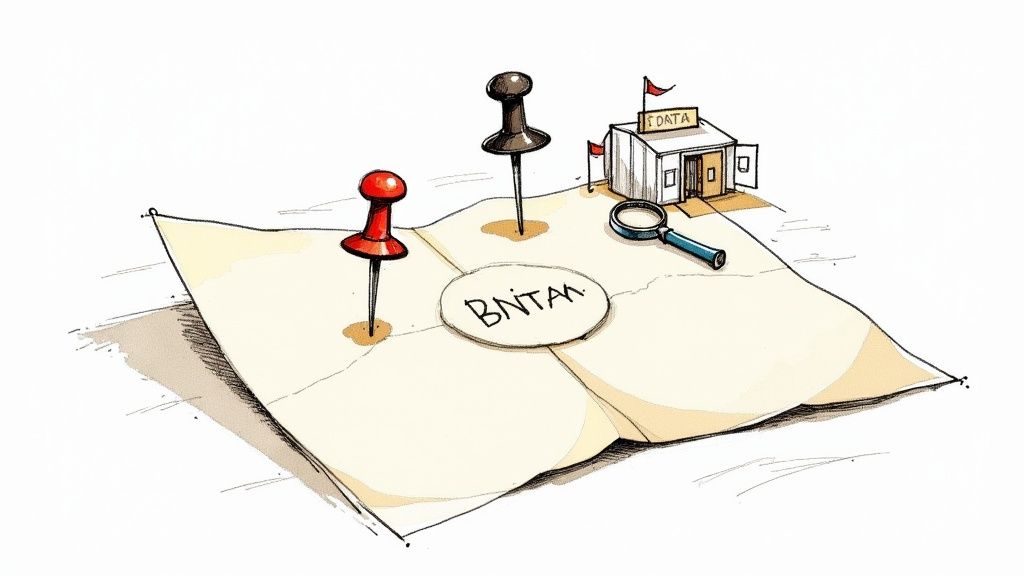
Finding the right person to value, buy, or sell your coins doesn't have to be an intimidating process. It all starts with building a solid shortlist of potential dealers in your area. While a quick search is a decent starting point, the real gems are found when you dig a little deeper into specialist platforms and real-world events.
Go Beyond a Basic Search
Instead of just typing a search term and hoping for the best, head straight to the BNTA members' list. Think of this directory as your first quality filter. Every member is vetted and has to stick to a strict code of ethics, so their presence on this list is a massive tick in the credibility box.
Getting out to a local coin fair is another brilliant strategy. These events gather numerous dealers under one roof, giving you a rare chance to:
- Meet them face-to-face and get a genuine feel for their professionalism and how they communicate.
- Watch how they interact with other collectors. This tells you a lot about their reputation in the community.
- Compare different areas of expertise. You can find specialists who really know their stuff, whether your collection is ancient Roman or modern British coins.
You might also want to explore our detailed guide on finding local coin auctions, as these are another great venue for meeting reputable dealers and making useful connections.
Use Online Tools Strategically
Of course, online maps and review sites still have their place when you're drawing up your initial list. When you find a dealer that looks promising, really scrutinise their reviews. A few generic five-star ratings don't mean much, but detailed reviews that mention specific, positive experiences are worth their weight in gold.
A truly reputable dealer’s online presence will be backed by a history of substantial, authentic feedback. Pay close attention to reviews that describe the dealer's honesty, willingness to educate, and fairness in pricing—these are the hallmarks of a trustworthy professional.
This digital footprint is crucial. An essential part of finding a reputable coin dealer near you involves understanding how they appear in local results, a topic covered in this ultimate guide to local SEO for small businesses.
The coin collecting world is booming, which means dealers are more focused than ever on building trust. Globally, the market was valued at around USD 10.74 billion and is projected to hit nearly USD 23.87 billion by 2032. That's a huge expansion in collector interest!
Your goal here is simple: compile a list of 3-5 promising local dealers. This organised approach lays the groundwork for the next step, where you'll thoroughly vet each one to find the perfect expert for you.
What Makes a Good Coin Dealer?
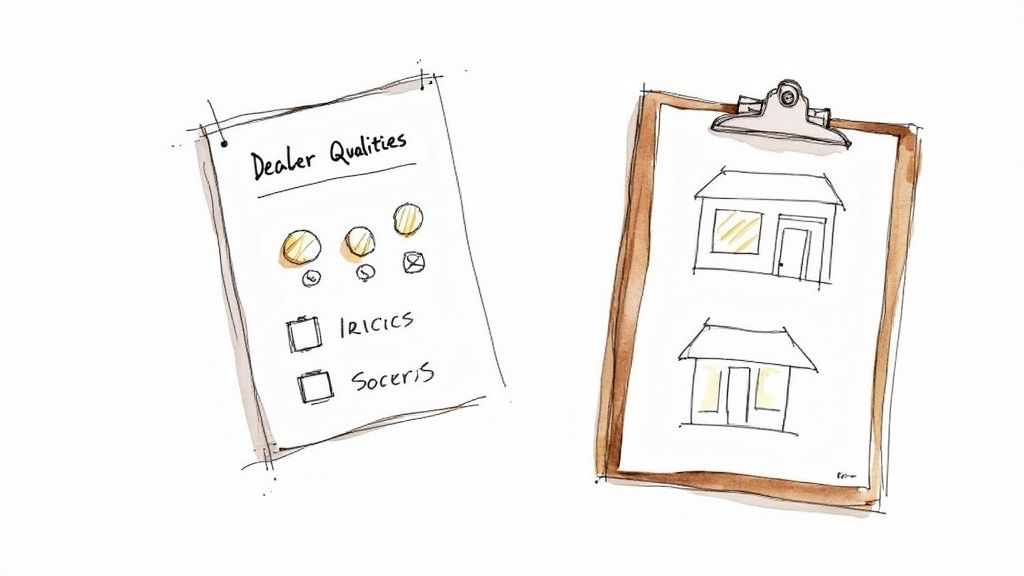
Once you've got a shortlist of potential dealers, it's time to dig a little deeper. Not every coin shop is run the same way, and knowing what to look for can save you from bad advice or paying over the odds. The best dealers have a few key qualities that separate them from the rest.
The single most important thing to check for is membership in a professional organisation. Here in the UK, that means the British Numismatic Trade Association (BNTA). This isn't just a fancy logo for their website; it's a promise. It means the dealer has agreed to a strict code of conduct covering everything from authenticity to fair dealing.
Being a BNTA member holds a dealer accountable. For you, it provides a safety net—a formal way to handle things if a deal ever goes south. Think of it as your guarantee that they're committed to the highest industry standards.
Checking Their Credentials and Niche
When you're sizing up a dealer, their professional affiliations and specific areas of knowledge are everything. A generalist might be perfectly fine if you're just buying common bullion coins, but if you've got a highly specialised collection, you need a specialist. It's as simple as that.
Keep an eye out for dealers who:
- Openly display their BNTA membership: It should be easy to spot in their shop or on their homepage.
- Focus on your collecting area: If you're into hammered pennies, a dealer who mostly trades in modern commemoratives probably isn't your best bet. A quick look at their inventory will usually tell you where their passion lies.
- Have a solid track record: A business that's been around for years with a good reputation is always a safer choice than a new operation without a proven history.
A dealer's specialisation is a huge clue. It shows where their expertise truly is. Finding someone whose focus aligns with your own is the foundation of a great long-term relationship.
A truly reputable coin dealer is more of an educator than a salesperson. They should be enthusiastic about sharing their knowledge, explaining the nuances of a coin's grade, history, and market value without applying any pressure on you to buy or sell.
Why Transparency and Education Matter
Look past the credentials and watch how the dealer actually operates. A professional you can trust will be completely transparent, especially when it comes to pricing. They should be happy to walk you through exactly how they valued a coin, pointing to current market data or grading standards to back it up.
If a dealer gets vague or tries to bamboozle you with jargon to justify a price, that's a massive red flag.
Their willingness to teach you is one of the strongest signs of integrity. A good dealer might show you recent auction results for similar coins or explain why one tiny detail makes a huge difference in value. This kind of openness is what builds real trust.
Finally, just take a look around their shop. Is it organised, professional, and secure? A well-kept environment suggests a serious business owner who respects their clients and their coins. A cluttered, chaotic shop can sometimes signal a less disciplined approach. When you're searching for one of the best reputable coin dealers near me, you're looking for this whole package: expertise, honesty, and professionalism.
Essential Checklist for Vetting a Coin Dealer
Use this quick checklist to make sure you're covering all the bases when evaluating a potential coin dealer. These are the critical signals that point to a trustworthy and knowledgeable professional.
| Trust Signal | Why It's Important | What to Verify |
|---|---|---|
| BNTA Membership | The ultimate mark of professionalism in the UK. Ensures adherence to a strict code of ethics and provides recourse. | Look for the BNTA logo on their website, in their shop, or ask them directly about their membership status. |
| Clear Specialisation | A specialist has deep knowledge in a specific area, leading to more accurate valuations and better advice. | Review their current inventory online or in-store. Does it align with your collecting interests? |
| Positive Online Reviews | Provides social proof of a good track record with other collectors. | Check Google, dedicated numismatic forums, and review sites. Look for consistent positive feedback. |
| Educational Approach | A willingness to explain their pricing and share knowledge shows honesty and passion, not just a sales motive. | Ask questions about a coin's grade or history. Do they answer clearly and patiently without pressuring you? |
| Transparent Pricing | You should understand exactly how a coin's price was determined, based on market rates and condition. | Ask them to explain the valuation for an item you're interested in buying or selling. |
| Professional Premises | A clean, secure, and organised shop indicates a serious business that values its clients and inventory. | Visit the shop in person. Does it feel professional and welcoming? Is security taken seriously? |
This isn't about ticking every single box, but a dealer who excels in most of these areas is very likely one you can build a lasting and successful relationship with.
How to Assess a Dealer's Inventory and Expertise
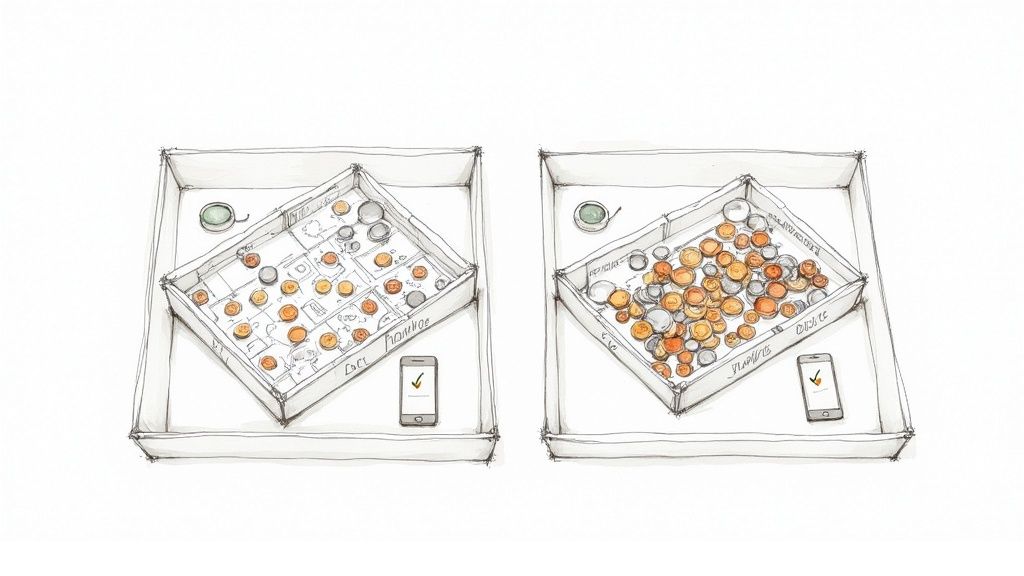
When you walk into a coin shop, you’re not just looking at items for sale. You're looking at the dealer’s professional CV. Their inventory is a direct reflection of their knowledge and standing in the numismatic community.
A well-curated stock tells a story of genuine expertise. A disorganised jumble of common coins, on the other hand, can be a major red flag.
Pay close attention to how the coins are presented. Are they housed properly in protective flips or graded slabs? Is everything categorised logically, maybe by era, country, or metal type? This level of organisation shows a deep respect for the items and a professional mindset.
What to Look for in Their Stock
A quality inventory isn't just about having a massive amount of stock; it's about the diversity and quality of what’s on offer. A truly reputable dealer will carry a thoughtful mix of items that cater to different collectors, from accessible bullion coins to high-grade, certified numismatic pieces.
Keep an eye out for these positive signs:
- Graded Coins: A strong presence of coins graded by respected third-party services like PCGS or NGC shows a serious commitment to authenticity and industry standards.
- Clear Specialisation: The inventory should back up their claims. If they say they specialise in Roman coins, their stock should feature a deep and varied selection from that period, not just a handful of common examples.
- Detailed Descriptions: Whether you're in the shop or browsing online, each significant coin should have a clear label detailing its key attributes—grade, year, and any notable history.
On the flip side, be wary of shops filled to the brim with bins of ungraded, common-date coins and not much else. While these have a place, an inventory dominated by them might suggest a lack of deep numismatic knowledge.
The most revealing thing about a dealer's expertise isn't what they have, but what they can tell you about it. Their ability to discuss a coin's history, rarity, and grading nuances is the real test.
Asking the Right Questions to Gauge Expertise
Looking at their stock is only half the picture. The next step is to actually talk to the dealer to get a feel for their knowledge. You don’t need to be an expert yourself to do this; you just need to ask a few smart questions.
A great way to start is by picking a specific coin and asking about its provenance—the history of its ownership. A knowledgeable dealer might be able to trace its journey through past auctions or collections, which adds to its story and value.
Another key area is their grading philosophy. You can find out more by checking out our guide on how to get coins valued. This insight is vital for understanding how they assess the items they buy and sell.
Some forward-thinking UK dealers are now adopting new technologies to build greater trust. The surge in digital adoption has led some to integrate blockchain or digital provenance to authenticate rare coins. With approximately 24 million people in the UK holding digital assets, this modern approach to verification is becoming increasingly relevant.
Ultimately, a good dealer will answer your questions patiently and thoroughly, treating them as a chance to share their passion. If they seem evasive, dismissive, or can’t give you detailed answers, it might be best to continue your search elsewhere.
Getting a Fair Price for Your Coins
Whether you're buying a new piece for your collection or selling a family heirloom, getting a fair price is always the end goal. Your best tool for a confident negotiation is understanding exactly how reputable dealers determine a coin's value. It's not some mysterious art; it’s a clear process based on solid, verifiable factors.
A coin's worth really comes down to four key pillars: its rarity, its condition (or grade), its historical importance, and the current market demand. Rarity is simple supply and demand – the fewer examples known to exist, the higher the value. The condition, though, is where things get more nuanced. A coin in pristine, uncirculated condition can be worth exponentially more than the exact same coin showing visible wear.
Understanding the Valuation Process
A professional dealer will assess these factors methodically. They'll compare your coin against recent auction results and flick through established price guides. The offer they make will reflect the coin's true market value, minus a reasonable margin (their "spread") to cover their expertise, overheads, and of course, their profit.
Transparency is absolutely non-negotiable here. A trustworthy expert should be more than willing to walk you through their valuation. They might show you a price guide, point out specific grading details under a magnifying loupe, or explain why the market for that particular coin is running hot or cold right now. If they seem vague or try to rush the process, take that as a serious red flag.
The real sign of a fair dealer is their commitment to education. They won't just give you a number; they'll explain the "why" behind it. They want you to feel confident and respected, whether you decide to sell or not.
For anyone who wants to get a better handle on how condition affects value, learning how to get coins graded is an essential next step. This knowledge demystifies the standards professionals use and empowers you to better understand any dealer's assessment.
Preparing for a Successful Appraisal
To get the most accurate valuation, a little preparation goes a long way. First and most importantly, never, ever clean your coins. You might think you're helping, but cleaning causes microscopic scratches and strips away the natural patina, which can absolutely tank a coin's numismatic value. Just bring them to the dealer exactly as you found them.
It also helps to organise your collection beforehand if you can. Group similar coins together and have any paperwork or certificates of authenticity ready to go. This small step shows you're serious and helps the dealer assess your items much more efficiently.
Finally, don’t be afraid to get a second opinion, especially for any high-value pieces. It’s always smart to take your coins to another reputable dealer on your shortlist. When you get a consistent valuation from two different experts, it gives you peace of mind and confirms you’re being offered a fair market price for your treasures. It's a simple step that ensures you can sell with absolute confidence.
Forging a Strong Relationship with Your Dealer
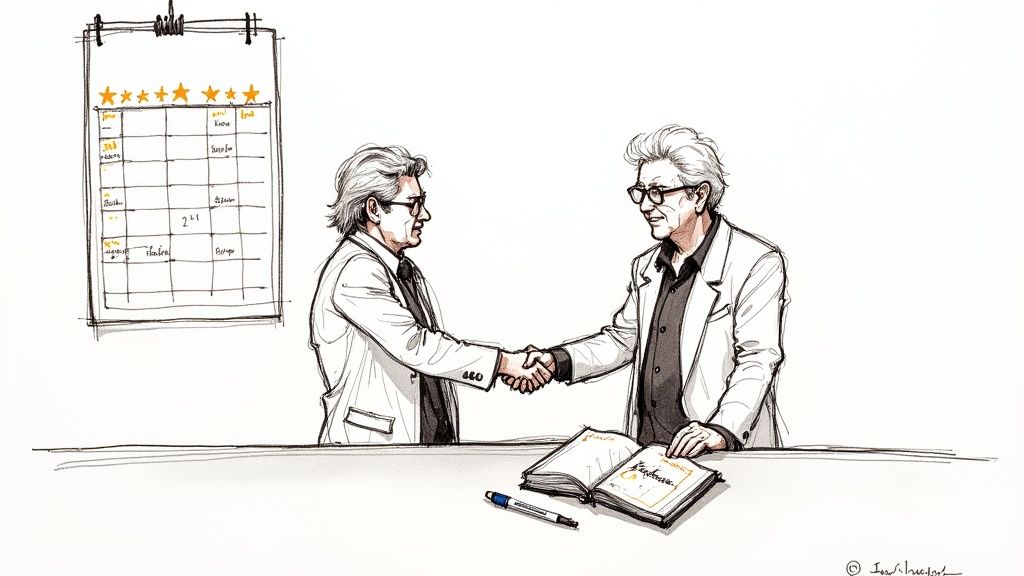
Finding a great local coin dealer isn't just about a one-off purchase. The real magic happens when you build a lasting partnership. A dealer you trust becomes more than just a seller; they become your go-to advisor, your eyes and ears in the market, and an invaluable resource for growing your collection.
Think of it this way: a dealer who understands your collecting goals and tastes is perfectly positioned to help you succeed. They might spot that one elusive coin you’ve been hunting for years or give you a heads-up about an auction lot that fits your interests perfectly. This isn't something you can get from a faceless online marketplace.
This kind of relationship, of course, is a two-way street. It’s built on good communication and mutual respect.
How to Become a Client They Want to Help
You don't need to be the biggest spender to be a valued client. What really matters is showing genuine enthusiasm and respecting their expertise. Most dealers are deeply passionate about numismatics and love working with collectors who share that spark.
Here are a few simple ways to build that rapport:
- Explain Your Goals: Let them know what you collect. Are you trying to complete a specific set of Victorian pennies, or are you investing in high-grade sovereigns? The clearer you are, the better they can help.
- Show You're Interested: Ask thoughtful questions. Don't just focus on the price. A simple "What's the story behind this one?" shows you value their knowledge.
- Respect Their Time: This is a big one. If you have a large collection you want them to look at, call ahead and book an appointment. Simply turning up unannounced with a box of coins isn't the best start.
A solid relationship can open doors you didn't even know were there. You might get the first look at new stock before it even goes on display or receive a piece of advice that saves you from making a costly mistake.
The best collector-dealer relationships are collaborative. When a dealer gets your vision, they become an active partner in building a collection you can be proud of. They'll bring you opportunities you might never have found on your own.
Why This Relationship Matters More Than Ever
The coin collecting market in the UK is buzzing right now, with more people than ever taking an interest in historical and commemorative coins. As a result, good dealers are expanding their offerings to include everything from authenticated and graded rarities to curated thematic sets. You can discover more insights about the growing coin collecting market to see just how much is happening.
In such a busy market, having a trusted expert on your side is a massive advantage. By taking the time to build that connection, your dealer becomes more than just someone you buy from—they become a mentor and a key part of your collecting journey.
Your Top Questions Answered
Even with the best game plan, questions always pop up when you're trying to find a good local coin dealer. It doesn't matter if you've been collecting for decades or are just starting out; getting clear answers to these common queries will give you the confidence you need to make the right call.
How Do Dealers Work Out Their Prices?
A dealer's profit comes from what's known as the "spread" – that's the difference between what they buy a coin for and what they sell it for. This isn't just a number plucked from thin air. It's carefully calculated based on a coin's market value, its rarity, and how much demand there is for it right now.
For common bullion like Sovereigns or Britannias, the spread is usually a small, standard percentage over the live metal price. Easy.
When it comes to rarer, numismatic pieces, the margin gets wider. This reflects the dealer's deep expertise, the financial risk of holding high-value stock, and the costs involved in professional authentication and grading. Any dealer worth their salt will be completely open about this and happy to explain the reasoning behind their offer.
Is it Better to Sell to a Local Dealer or Online?
Honestly, both have their pros and cons. The best route for you really comes down to what you're most comfortable with.
Selling to a local, trusted dealer gives you some major advantages:
- Instant Payment: You walk out of the shop with the money sorted. No waiting around.
- Total Security: You don't have the stress of posting valuable items and worrying about them getting lost or damaged.
- Face-to-Face Expertise: You can ask questions, get instant feedback, and build a real relationship with an expert.
On the other hand, selling online can put your coins in front of a much larger audience, which might push the price up. But that comes with its own headaches – platform fees, shipping insurance, and the risk of payment problems or delays. For anything particularly valuable or a whole collection, the security and straightforward nature of a local specialist is hard to beat.
The biggest red flag of all? A dealer who pressures you or tries to rush a decision. A true professional wants you to be happy and informed, whether you end up buying or selling. They're in it for the long haul, not a quick profit.
What are the Biggest Red Flags to Look Out For?
Beyond high-pressure sales tactics, be wary of any dealer who gets cagey when you ask how they've arrived at a price or what grading standard they use. A messy, disorganised shop can also be a bad sign, suggesting they don't take much care of their inventory.
Steer clear of any dealer who isn't a member of a respected professional organisation like the BNTA. And, of course, a string of terrible online reviews complaining about dodgy practices is a massive warning sign. When you're weighing up your options, it can be useful to look at general tips for selecting a reliable service – the basic principles of finding a trustworthy business are often the same.
Should I Give My Coins a Clean Before an Appraisal?
In a word: No. Absolutely not.
Trying to clean coins yourself, even with the softest cloth, can cause tiny, irreversible scratches and strip away the natural patina that has taken decades, or even centuries, to form. This kind of damage can absolutely tank a coin's value. A professional appraiser needs to see your coins exactly as they are, in their original state, to give you a proper and accurate valuation.
At Cavalier Coins Ltd, we’re proud to offer transparent, expert advice for collectors of all levels. Whether you’re looking to add to your collection, sell a few pieces, or just learn more about the hobby, we invite you to explore our collection and resources at https://www.cavaliercoins.com.